
Digital Nomad
How Digital Nomads Travel Cheaply Across Europe
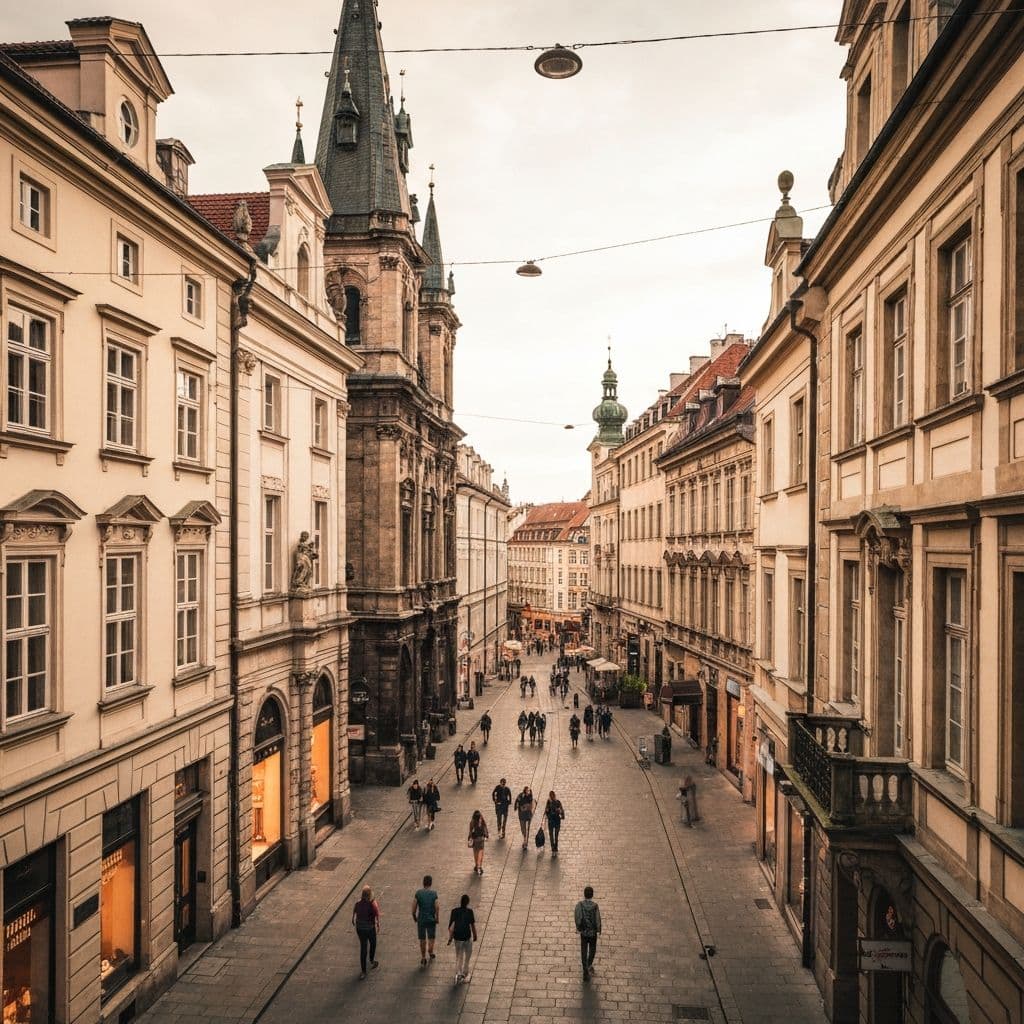
How Digital Nomads Travel Cheaply Across Europe starts with long stays, careful city selection, and cost control habits. This guide shares the exact strategies that keep monthly budgets predictable while you work remotely.
The Digital Nomad Budget Reality
If you are building a digital nomad Europe budget, the approach is different from vacation travel. You're not rushing between cities—you're living in them. This shift from tourist to temporary resident is where massive savings happen. I've maintained a £1,200-1,500 monthly budget across Europe for five years by treating travel as lifestyle, not vacation.
The strategies below are what actually work when you're balancing work deadlines with exploration. This isn't about deprivation—it's about smart choices that let you travel longer while working remotely.
Slow Travel Is the Foundation
Stay 1-3 Months Per Location
Moving every week hemorrhages money. Transport costs, booking fees, setup time, and tourist-priced short stays add up. I stay minimum 4 weeks per city, often 8-12 weeks. This unlocks monthly rental rates, reduces transport costs to near-zero, and lets you find local prices.
Monthly Airbnb rates are 30-50% below nightly rates. A Lisbon apartment that costs £50/night drops to £800-1,000 monthly. Extended stays also trigger host discounts—message hosts directly about longer bookings for extra savings.
Choose a Region, Not Random Cities
Cluster your travels regionally. I spent six months in the Balkans, five months in Iberia, and four months in the Baltics. This minimizes transport between locations and helps you establish routines that reduce costs.
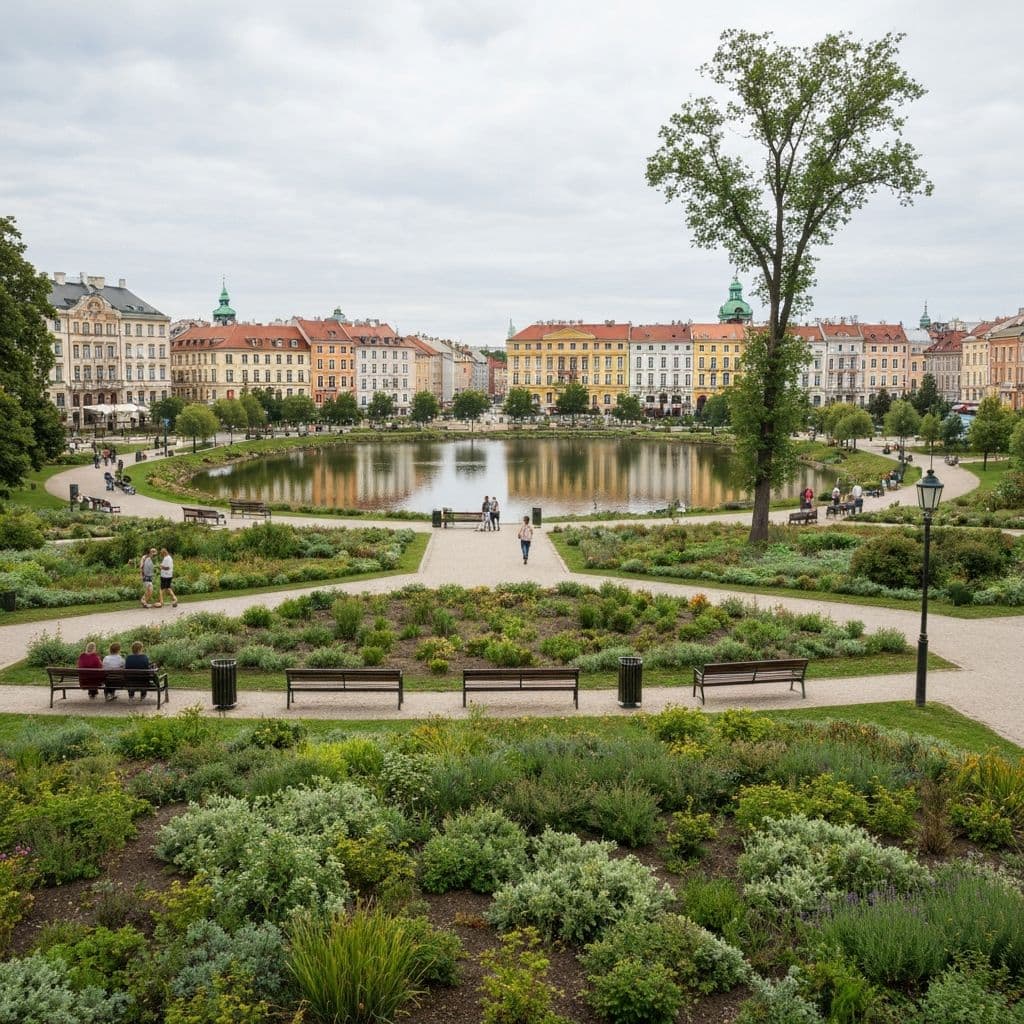
Accommodation Strategies
Target These Affordable Cities
Base yourself in cities where £700-900/month gets you a comfortable one-bedroom apartment with good internet. My favorite value destinations:
- Balkans: Belgrade, Sofia, Bucharest, Sarajevo (£400-700/month)
- Eastern Europe: Krakow, Brno, Cluj-Napoca, Lviv (£500-800/month)
- Southern Europe: Lisbon suburbs, Valencia, Split, Athens (£700-1,000/month)
- Baltics: Tallinn, Riga, Vilnius (£600-900/month)
- Portugal: Braga, Coimbra, Aveiro (£500-750/month)
Alternative Platforms Beyond Airbnb
Airbnb works but isn't always cheapest for long stays. Try Flatio (specializes in monthly stays), local Facebook groups ('Apartments [City Name]'), Idealista (Spain/Portugal), and HousingAnywhere. Direct landlord deals save 20-30% in booking fees.
In many cities, I've found better deals by walking neighborhoods and calling numbers on 'For Rent' signs. This requires being in-country and speaking basic local language, but saves significantly.
Coliving Spaces
Coliving includes accommodation, coworking, utilities, and social events in one price. Sun and Co (Spain), Outsite (multiple countries), and local options in Lisbon, Barcelona, and Berlin range from £700-1,400 monthly depending on location and room type.
This sounds expensive but includes everything plus built-in community. Calculate the all-in cost including internet, utilities, and coworking space you'd pay separately. Sometimes coliving actually saves money while providing better social connections.
Working While Traveling
Internet Reliability
Before booking any accommodation, verify internet speed. Ask hosts for recent speed tests showing 30+ Mbps download minimum. I carry a portable router (£40) that improves weak Wi-Fi signals. Have a backup plan—identify nearby cafes or coworking spaces with solid internet before emergencies strike.
Coworking vs. Cafes vs. Home
I work from my apartment 60% of the time (free), cafes 20% (£3-5 for coffee gets 2-3 hours), and coworking spaces 20%. Coworking day passes cost £8-20 but provide reliable internet, professional environment, and networking opportunities.
Many cities offer coworking passes: Lisbon's Second Home (£140/month unlimited), Berlin's Ahoy (£89/month), Prague's Node5 (£100/month). Budget £50-100 monthly for coworking if needed, or rely on cafes and apartments.
Food and Groceries
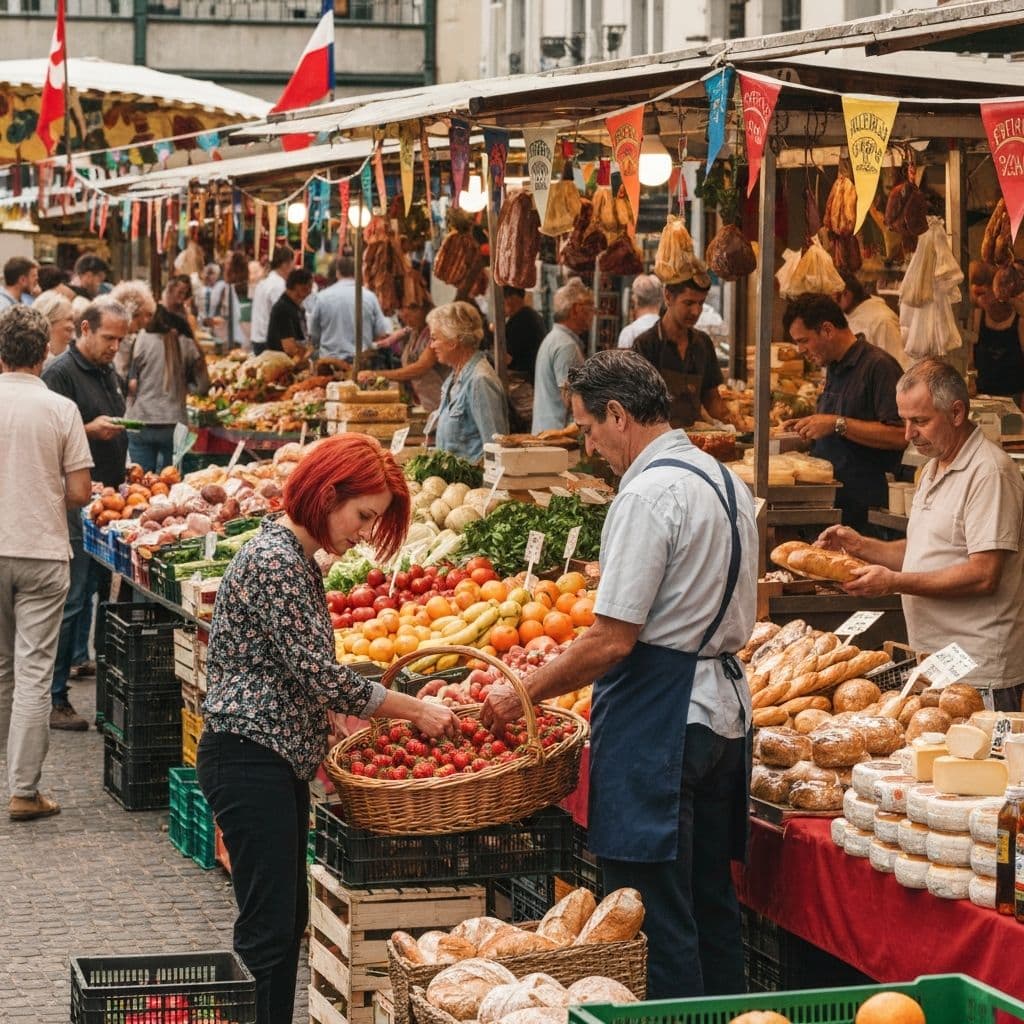
Cook 80% of Meals
Having a kitchen is non-negotiable. I budget £150-250 monthly for groceries, cooking breakfast and dinner daily. Lunch is either leftovers or a cheap local option (€4-7). This keeps food costs at £8-12 daily versus £25-40 eating out.
Shop at Lidl, Aldi, or local markets. Learn where locals buy groceries—tourist-area supermarkets charge 30-40% more. Buy seasonal produce, bulk staples, and prepare large batches that last multiple meals.
Strategic Eating Out
Eat out 4-6 times monthly at nicer restaurants to enjoy local food culture without destroying your budget. Focus on lunch specials where you'll get the same food at 40% off dinner prices. Skip fancy cafes for daily coffee—make it at home.
Transport and Movement
Walking and Cycling
Choose apartments within 20-30 minutes walk of city centers. Most European cities are compact and walkable. I spend zero on daily transport in most locations. When needed, buy monthly transit passes (£20-40) which beat daily tickets.
Many cities offer bike-share systems: £20-40 monthly for unlimited rides. I've cycled extensively in Lisbon, Valencia, Barcelona, Berlin, and Copenhagen, saving transport costs while staying fit.
Between-City Travel
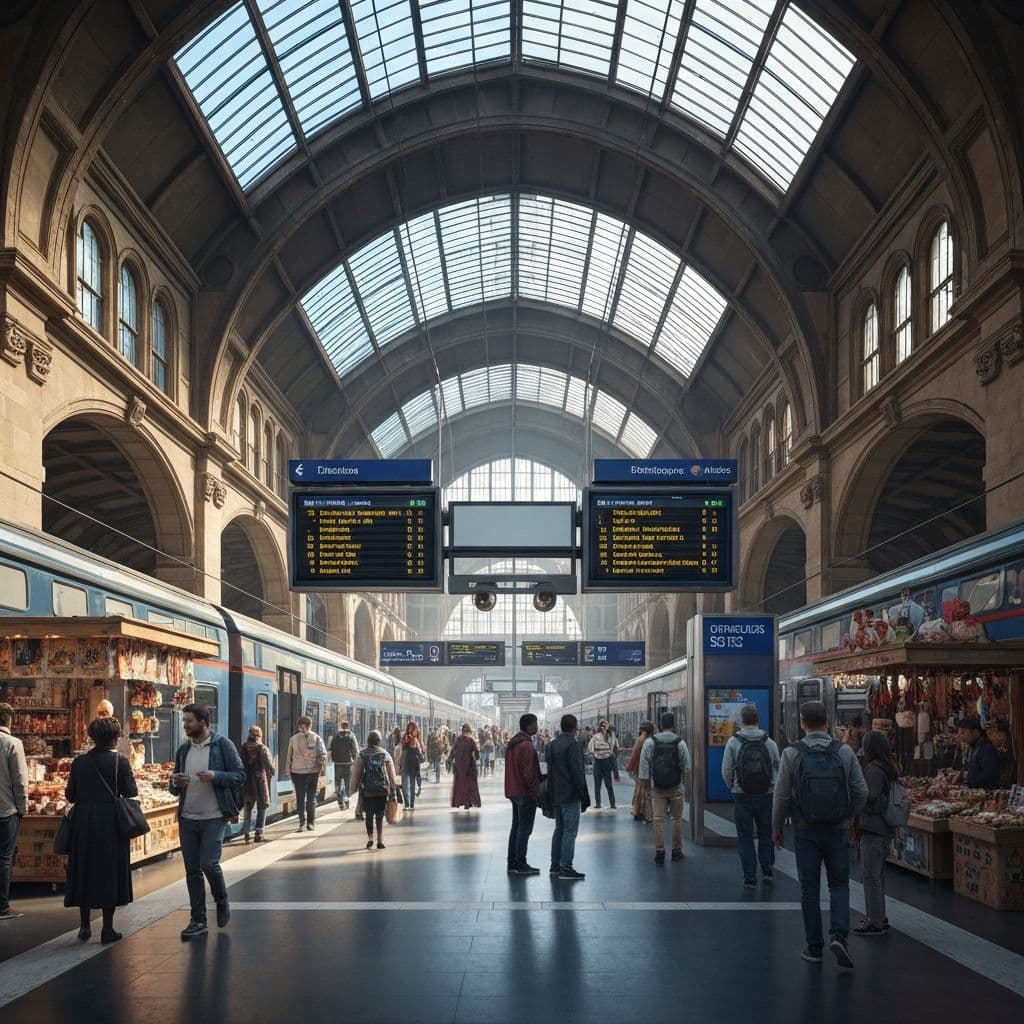
Book FlixBus 2-3 weeks ahead for £8-15 tickets between major cities. Overnight buses save a night's accommodation. Budget airlines work if booked far ahead and traveling with minimal luggage. Train advance tickets in Western Europe can be cheap if booked 2-3 months out.
Because I move infrequently, transport might cost £20-50 monthly averaged out. Slow travel makes transport nearly free compared to vacation travel.
Managing Administrative Details
Visa Situations
Most passport holders get 90 days in 180 days for Schengen. I maximize this by spending 3 months in Schengen, 3 months outside (Balkans, UK, Ireland), then returning. This pattern lets me stay in Europe year-round without visa issues.
Consider digital nomad visas if you want longer stays: Portugal (1 year), Croatia (1 year), Estonia (1 year), Greece (1 year). These require proof of remote income (typically £2,000-3,000 monthly minimum) and cost £60-300 in fees.
Banking and Money
Use Wise or Revolut for currency exchange and ATM withdrawals with minimal fees. Keep some euros as emergency cash. Set up clients to pay into accounts with low/no international transfer fees. Notify your bank about travel to prevent card blocks.
Insurance and Healthcare
I budget £40-60 monthly for travel medical insurance through SafetyWing or World Nomads. EU citizens can use EHIC cards. Non-EU nomads need private insurance. Healthcare in Eastern Europe is affordable even without insurance (doctor visits £20-40, prescriptions cheap).
Social Life and Entertainment
Budget £80-150 monthly for socializing, activities, and entertainment. Join free walking tours, attend language exchanges, explore parks and free attractions. Many museums offer free days. Evening socials with other nomads cost £8-15 for drinks or shared meals.
The digital nomad community is active in every major European city. Use Nomad List, Facebook groups, and Meetup to find events. Having built-in social connections enriches experience while costing little.
Complete Monthly Budget Breakdown
Here's my actual average monthly spending across different European regions:
Eastern Europe/Balkans (£1,000-1,300)
- Accommodation: £500-700
- Food (groceries + occasional eating out): £200-300
- Coworking/cafes: £40-60
- Local transport: £15-25
- Entertainment/social: £80-120
- Insurance: £50
- Phone/data: £15-20
- Miscellaneous: £50-80
Southern Europe (£1,300-1,700)
- Accommodation: £750-1,000
- Food: £250-350
- Coworking/cafes: £50-80
- Local transport: £20-35
- Entertainment/social: £100-150
- Insurance: £50
- Phone/data: £20
- Miscellaneous: £60-100
Western Europe (£1,700-2,200)
- Accommodation: £1,000-1,400
- Food: £300-400
- Coworking/cafes: £80-120
- Local transport: £30-50
- Entertainment/social: £150-200
- Insurance: £50
- Phone/data: £25
- Miscellaneous: £80-120
Essential Gear for Budget Nomading
- Reliable laptop with 8+ hour battery life
- Noise-canceling headphones for working in cafes
- Portable router to boost weak Wi-Fi
- Universal adapter and spare charging cables
- 40L backpack that fits carry-on limits
- Reusable water bottle and coffee cup (save £3-5 daily)
- Portable door lock for security in cheap accommodations
- Compact travel towel (hostels/cheaper places don't always provide)
Pick cities by season to keep rent low
Rent swings heavily by season. Southern Europe is best in spring and fall, while Central Europe is cheaper in late winter. If you move with the shoulder seasons, you will see price drops without sacrificing weather.
- Spring: Valencia, Lisbon, Athens, and the islands before peak summer
- Summer: Baltic cities and Poland where prices rise less sharply
- Fall: Croatia and Greece after August crowds leave
- Winter: Budapest, Prague, and Belgrade with lower long-stay rates
A weekly routine that reduces spending
- Cook 3-4 meals in batches and freeze portions
- Use one paid coworking day per week for focus and meetings
- Pick one new neighborhood walk instead of paid tours
- Plan intercity moves only when you finish a full monthly stay
Final Principles
The key to cheap digital nomad life is eliminating tourist behavior. Stay long enough to become temporary local. Shop where locals shop, eat where they eat, and build routines that optimize costs. You're not on vacation—you're living and working in different cities.
Track your spending for three months to understand your patterns. Everyone's budget differs based on preferences. Mine allows comfortable living, regular socializing, and weekend trips while spending £1,400-1,700 monthly averaged across all of Europe.
FAQs
How much should I earn to live as a digital nomad in Europe?
Minimum £1,500-2,000/month for basic comfortable living in Eastern Europe/Balkans, £2,000-2,500 for Southern Europe, and £2,500-3,500 for Western Europe. This covers expenses with some buffer for travel and savings.
What are the best European cities for digital nomads?
For budget + quality of life: Lisbon, Valencia, Tallinn, Belgrade, Bucharest, Split, Prague, Krakow. These offer good internet, coworking spaces, nomad communities, and reasonable costs.
How do I handle the 90-day Schengen limit?
Spend 3 months in Schengen countries, then 3 months in non-Schengen (Balkans, UK, Ireland, Georgia, Turkey). Repeat. Or apply for digital nomad visas in Portugal, Croatia, Estonia, or Greece for 1-year stays.
Is it lonely being a digital nomad?
It can be if you don't make effort. Use Nomad List, Facebook groups, and coworking spaces to meet people. Staying 2-3 months per city lets you build real friendships. Many nomads report better social connections than at home.
Do I need to speak local languages?
English works in most digital nomad hubs. Learning basic local phrases helps with daily life and shows respect. Apps, Google Translate, and gestures cover most situations. You'll pick up phrases naturally over time.
Is a coworking membership worth it on a budget?
Often yes if you use it a few times per week. It provides fast internet, focus, and social connections that you would otherwise pay for in cafes.
Explore more playbooks
More travel guides
Carry-On Only Packing List to Avoid Bag Fees (US/UK)
A carry-on only system that avoids baggage fees, keeps you mobile, and makes US/UK trips faster to manage.
Open-Jaw Flights Explained (Save Money on Multi-City Trips)
Open-jaw flights cut backtracking and can save serious money on multi-city routes when you plan them well.
Google Flights vs Skyscanner: Which Finds Better Deals?
A practical comparison of Google Flights and Skyscanner for price alerts, flexible dates, and deal discovery.