
Gulf Travel
Gulf Countries Travel Guide (UAE, Saudi, Qatar)

Understanding the Gulf Region in 2025
The Gulf Cooperation Council (GCC) countries—particularly the UAE, Saudi Arabia, and Qatar—have emerged as major tourism destinations. Modern infrastructure, world-class attractions, and increasing openness to tourists make them more accessible than ever, but they remain culturally distinct from Western destinations.
This guide focuses on the three most visited Gulf states. I'll share practical information gleaned from years of living here and guiding first-time visitors. The region rewards travelers who do basic research and approach it with cultural sensitivity.
Visa Requirements and Entry
UAE (United Arab Emirates)
Most Western passport holders receive automatic visa-on-arrival for 30-90 days. US, UK, Canadian, Australian, and EU citizens simply arrive and get stamped. The visa is free and extendable for a fee if needed.
Dubai and Abu Dhabi airports are major hubs with excellent connections. Immigration is efficient—expect 15-30 minutes from landing to baggage claim during normal hours. Have your hotel address ready; sometimes it's requested.
Saudi Arabia
Saudi Arabia launched e-visas for tourists in 2019, revolutionizing access. Citizens of 49 countries can apply online for a multiple-entry tourist visa valid one year. The process takes 5-30 minutes online and costs about $140 including medical insurance.
Apply at least a week before travel. You'll need a return ticket, hotel booking, and passport photo. The approval email arrives within 24-48 hours typically. Print it, though digital copies usually suffice.
Qatar
Over 90 nationalities get visa-free entry or visa-on-arrival. Most Western travelers receive 30-90 days automatically. Qatar is the easiest Gulf country for visa purposes and makes a good first visit to the region.
Cultural Norms and Dress Code
What to Wear
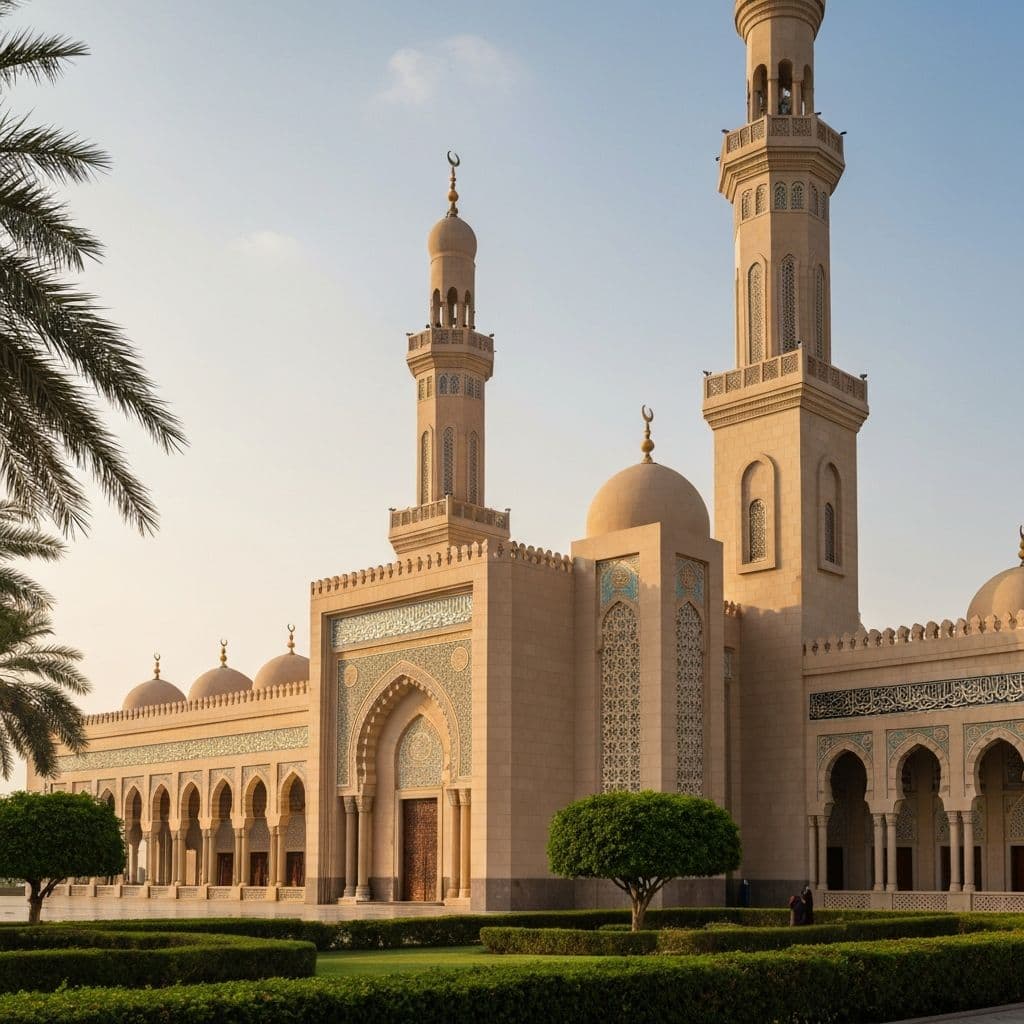
The Gulf is more relaxed than many assume, especially in tourist areas, but modest dress shows respect. For men, shorts to the knee and t-shirts are fine everywhere except mosques and government buildings. For women, I recommend covering shoulders and knees in public, though tank tops are acceptable in Dubai's tourist zones.
Saudi Arabia is stricter: women should wear an abaya (loose black robe) in public, though hair covering isn't required for tourists. Men should wear long pants. The UAE and Qatar are more relaxed—business casual works everywhere.
Behavior Guidelines
- Public displays of affection are frowned upon—keep it to hand-holding
- Don't photograph people (especially women) without permission
- Remove shoes before entering homes and some restaurants
- Use your right hand for eating and greeting (left is considered unclean)
- Don't drink alcohol in public or arrive drunk in public areas
- Ramadan requires extra sensitivity—don't eat/drink publicly during daylight hours
UAE: Dubai, Abu Dhabi, and Beyond
Dubai
Dubai is the most Western-friendly Gulf city and where most first-timers start. The Dubai Mall, Burj Khalifa, and marina areas are spectacular but expensive. Budget travelers can find value in neighborhoods like Deira and Bur Dubai.
Use the metro system (£1.50-3 per ride) rather than taxis for major attractions. The Dubai Pass offers attraction bundling if you're hitting multiple paid sites. Late September through April offers the best weather—summer is brutally hot.
Abu Dhabi
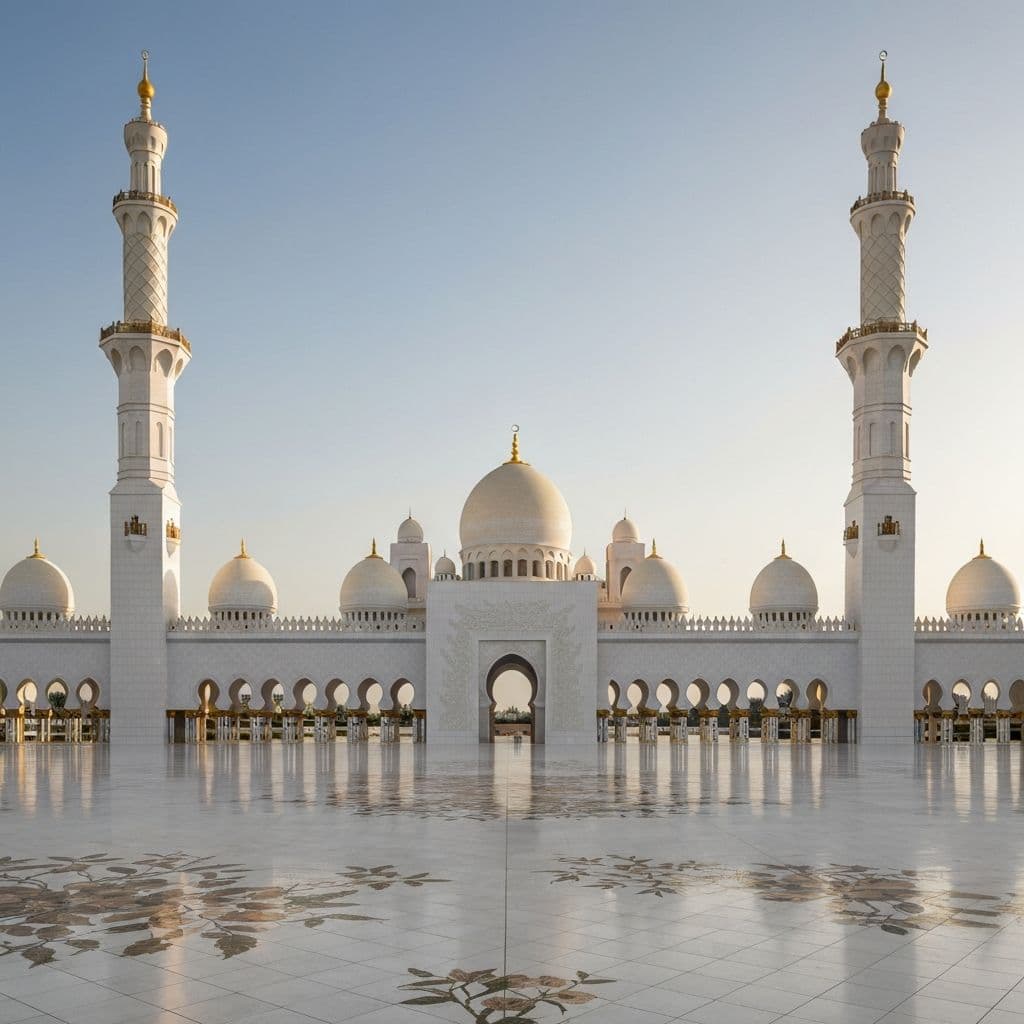
The capital is more traditional and spacious than Dubai. The Sheikh Zayed Grand Mosque is spectacular and free to visit (book tours online). The Louvre Abu Dhabi is world-class. The city feels less hectic than Dubai and offers better value on accommodation.
Sharjah, Fujairah, and Northern Emirates
These are cheaper, more authentic alternatives. Sharjah has excellent museums and traditional souks. Fujairah offers beach resorts and diving. Accommodations cost 30-50% less than Dubai while being 45-90 minutes away.
Saudi Arabia: Jeddah, Riyadh, and AlUla
Riyadh
The capital is modern but conservative. The National Museum provides excellent historical context. The Edge of the World formation is a stunning day trip. Riyadh offers authentic Saudi culture with few tourists currently.
Jeddah
The coastal city is Saudi's most relaxed. The historic Al-Balad district is a UNESCO site with coral-stone buildings and traditional architecture. The corniche offers pleasant evening strolls. Jeddah has the best food scene in Saudi Arabia.
AlUla
This archaeological wonder features Nabataean tombs similar to Petra. It's Saudi's tourism centerpiece and genuinely impressive. Visit October through March—summer heat is unbearable. Budget £200-300 for a two-night visit including tours and accommodation.
Qatar: Doha and Desert
Doha is compact, clean, and easy to navigate. The Museum of Islamic Art is architectural striking and free. The Souq Waqif offers traditional atmosphere with evening energy. Qatar's small size means you can see highlights in 2-3 days.
The Inland Sea (Khor Al Adaid) makes a great day trip—book a 4x4 desert tour for £60-80. Qatar Airways offers free Doha hotel stays and city tours for long layovers, making it an excellent stopover destination.
Transportation
Within Cities
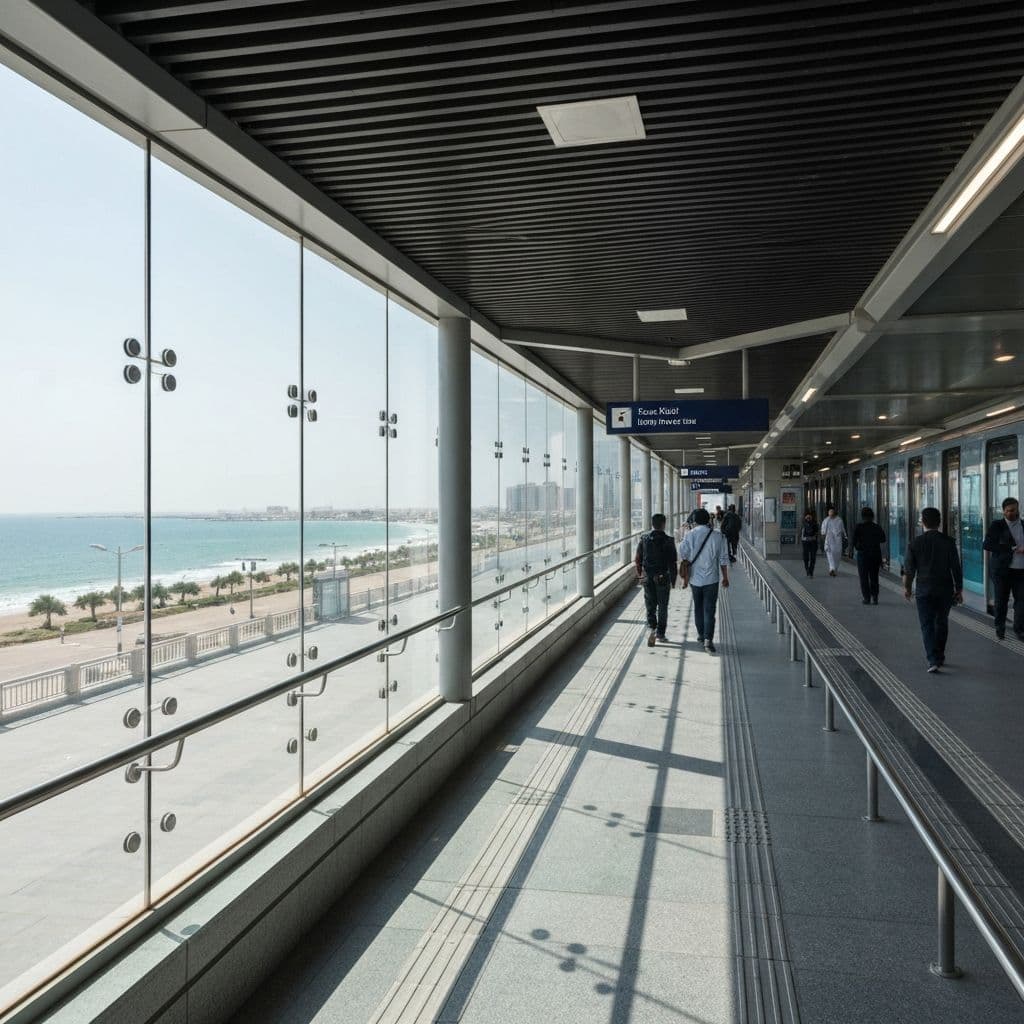
Dubai and Doha have excellent metro systems. Riyadh's metro recently opened and is clean and efficient. Taxis and ride-sharing (Uber, Careem) are affordable by Western standards. A typical cross-city ride costs £5-12.
Between Cities
Flying between Gulf countries is cheap—often £40-80. Buses connect Emirati cities for £3-8. Within Saudi, budget airlines like Flyadeal offer £30-50 flights between major cities. Renting a car makes sense for exploring at your own pace; driving is straightforward.
Food and Dining
What to Eat
Arabic and Levantine food dominates: shawarma, falafel, hummus, and grilled meats. Indian and Filipino food are everywhere due to large expat populations. International chains are ubiquitous but try local options—they're cheaper and better.
A good shawarma costs £2-3. A sit-down meal at a mid-range Arabic restaurant runs £10-15. Upscale dining in hotels can hit £50-100 per person. Street food and local cafeterias offer the best value and authenticity.
Alcohol
The UAE and Qatar allow alcohol in licensed hotels and restaurants (expensive—£8-12 per drink). Saudi Arabia prohibits alcohol entirely; respect this completely. Don't attempt to bring alcohol into Saudi; penalties are severe.
Accommodation Options
Budget hotels and hostels exist but are less common than in other regions. Expect to pay £40-70 for basic accommodation in the UAE, £30-50 in Qatar, and £50-80 in Saudi. Airbnb works in the UAE and Qatar but is restricted in Saudi.
Four and five-star hotels are surprisingly affordable if booked in advance—I've found excellent Abu Dhabi hotels for £60-80 that would cost £200+ in London. Check for packages including breakfast to maximize value.
Money and Costs
The UAE Dirham (AED), Saudi Riyal (SAR), and Qatari Riyal (QAR) are all pegged to the US dollar with stable exchange rates. Credit cards are widely accepted. ATMs are everywhere with reasonable fees.
Daily budget for mid-range travel: £80-120 in the UAE, £70-100 in Qatar, £60-90 in Saudi Arabia. This includes accommodation, three meals, attractions, and local transport.
Safety and Health
All three countries are exceptionally safe with very low crime rates. Violent crime against tourists is nearly nonexistent. Petty theft is rare. Women can travel solo safely with normal precautions.
Tap water is safe in the UAE and Qatar. In Saudi, stick to bottled water outside major cities. Travel insurance should cover you here—standard policies work fine. Pharmacies are well-stocked with international brands.
Best Time to Visit
November through March is ideal—temperatures are 18-28°C and humidity is low. April and October are acceptable shoulder months. Avoid May through September when temperatures exceed 40°C and humidity makes outdoor activities miserable.
Check Islamic calendar for Ramadan dates—tourism infrastructure continues operating, but restaurant hours change and respect for fasting is expected during daylight. It's manageable but requires adjustment.
Final Tips for First-Time Visitors
- Download Google Maps offline for navigation without data
- Bring sunscreen, sunglasses, and a hat—sun is intense year-round
- Learn basic Arabic greetings (hello, thank you, please)
- Keep digital and physical copies of your passport and visa
- Dress modestly, especially in Saudi and away from tourist areas
- Be patient with cultural differences—observe and adapt
- Don't skip smaller cities and towns for authentic experiences
Plan around heat and holiday calendars
Weather shapes everything here. Late fall through early spring is comfortable for walking tours and outdoor markets, while summer is best for indoor attractions. If your trip overlaps Ramadan or major holidays, expect different restaurant hours and heavier traffic in the evenings.
Simple multi-city route ideas
- UAE loop: Dubai, Abu Dhabi, and a day in Sharjah or Al Ain
- Saudi intro: Riyadh for history, AlUla for landscapes, Jeddah for the coast
- Qatar stopover: 3 days in Doha with a desert half day and museum day
FAQs
Is it safe for solo female travelers?
Yes, very safe. All three countries have low crime rates. Women should dress modestly and follow local customs. I recommend the UAE or Qatar for first-time solo female travelers to the region, as they're more tourist-oriented than Saudi.
Can I drink alcohol in the Gulf?
In the UAE and Qatar, yes—but only in licensed hotels and restaurants, and it's expensive. Saudi Arabia prohibits alcohol entirely with severe penalties. Respect local laws completely.
How much does a Gulf trip cost?
Budget £600-900 for a week including flights (from Europe/UK), accommodation, food, and basic attractions. The UAE is priciest, Saudi is mid-range, and Qatar falls between them. Costs are comparable to Western Europe.
Do I need to speak Arabic?
No. English is widely spoken in tourist areas, hotels, restaurants, and by younger locals. Learning a few Arabic phrases is appreciated but not necessary. Signs are typically bilingual.
What's the best Gulf country for a first visit?
The UAE (Dubai or Abu Dhabi) is most tourist-friendly with best infrastructure and fewer cultural adjustments needed. Qatar is second-easiest. Saudi is best for travelers comfortable with stricter cultural norms.
Is Ramadan a bad time to visit?
Not necessarily. Many attractions still operate, but daytime dining options are limited and evenings are busier. If you are flexible with meal times, you can still have a great trip.
Explore more playbooks
More travel guides

Carry-On Only Packing List to Avoid Bag Fees (US/UK)
A carry-on only system that avoids baggage fees, keeps you mobile, and makes US/UK trips faster to manage.

Open-Jaw Flights Explained (Save Money on Multi-City Trips)
Open-jaw flights cut backtracking and can save serious money on multi-city routes when you plan them well.
Google Flights vs Skyscanner: Which Finds Better Deals?
A practical comparison of Google Flights and Skyscanner for price alerts, flexible dates, and deal discovery.