
Budget Travel
UK & Europe Budget Travel Tips That Actually Work
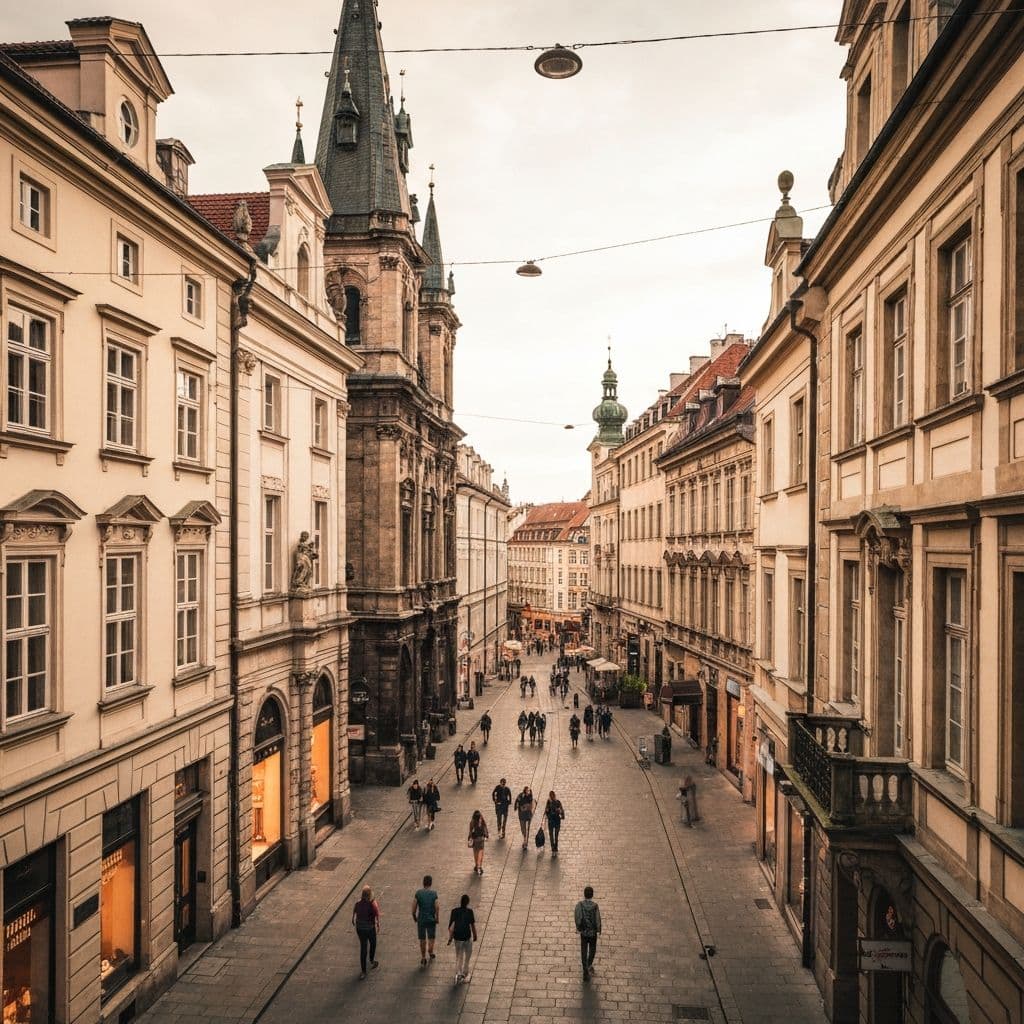
UK & Europe Budget Travel Tips That Actually Work focuses on the specific moves that lower costs without sacrificing safety or comfort. The strategies below explain where to save on flights, trains, stays, and food across popular European routes.
The Reality of Budget Travel in Europe Today
Europe isn't the budget destination it was a decade ago, but smart travelers can still explore cheaply. I've just returned from a three-month circuit covering 12 countries on £35 per day, including accommodation, food, and transport. It required planning and flexibility, but never felt like deprivation.
The secret isn't cutting corners—it's understanding pricing patterns and knowing where to splurge versus save. You can eat well, stay centrally, and see major sights without breaking the bank if you follow proven strategies rather than generic advice.
Flights and Transport Between Countries
Budget Airlines Done Right
Ryanair, Wizz Air, and easyJet get a bad reputation, but they're gold if you play by their rules. Book 2-3 months ahead, pack only a small backpack (40x20x25cm for free), and avoid add-ons. I've flown London to Berlin for £18, Manchester to Budapest for £22, and Edinburgh to Barcelona for £31.
- Always bring your own food and water—don't pay £6 for a sandwich onboard
- Check-in online exactly 24 hours before to avoid fees
- Screenshot your boarding pass in case of app issues
- Arrive 90 minutes early for Ryanair, they close gates early
- Use Skyscanner's 'everywhere' search to find the cheapest destinations from your departure city
Overnight Buses and Trains
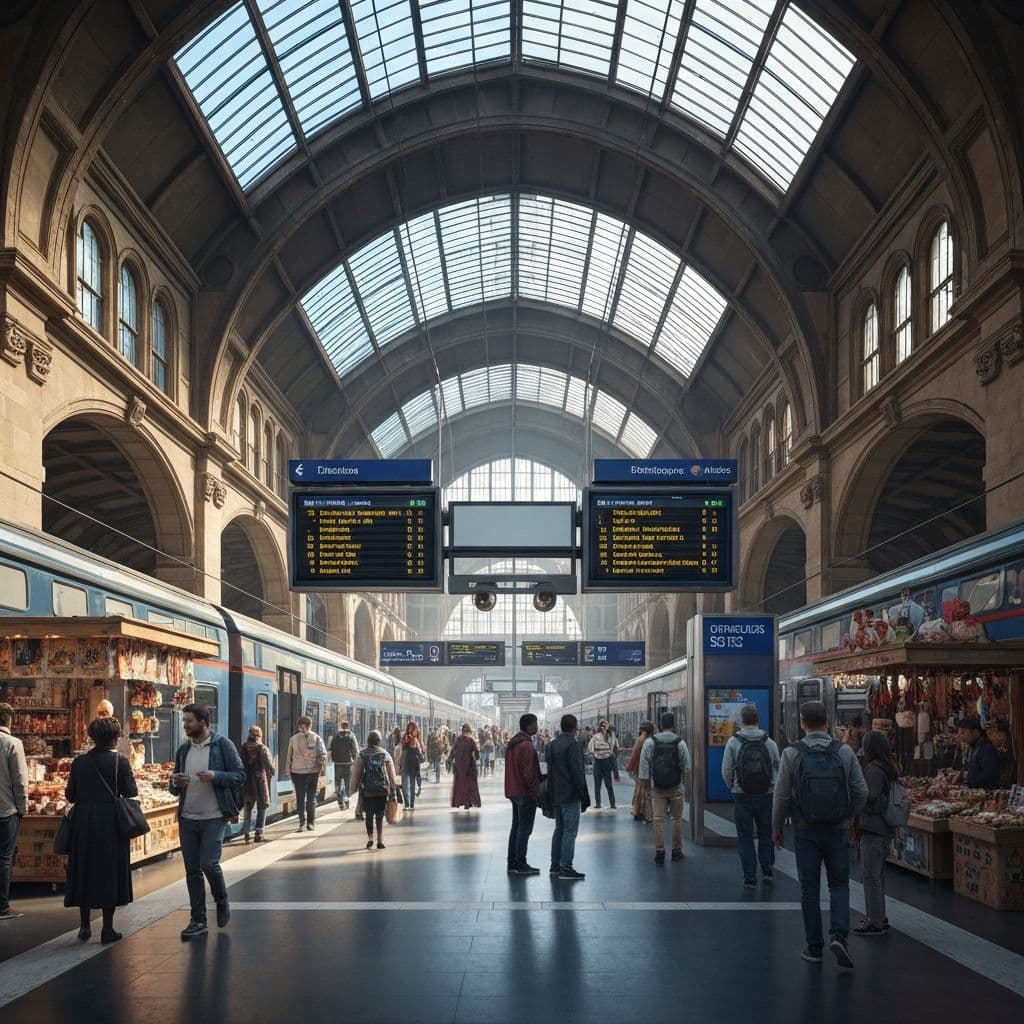
Sleeping while traveling saves accommodation costs and maximizes daylight hours. FlixBus covers most of Europe with decent comfort, and overnight routes typically cost £20-40. I've taken night buses from Paris to Amsterdam, Berlin to Prague, and Barcelona to Lyon without issues.
For trains, look at ÖBB Nightjet services connecting major cities. A couchette berth costs £30-60 and replaces a hostel bed plus daytime transport. Book early for the best prices, and bring earplugs and an eye mask.
Accommodation That Doesn't Break the Bank
Hostels Beyond the Party Scene
Not all hostels are party hostels. Look for ones with 'quiet hours' policies or those marketed toward digital nomads and longer-term travelers. I consistently found clean private rooms in quality hostels for £18-28 per night across Western Europe.
My favorite booking strategy: use HostelWorld to find top-rated places, then email directly to ask about weekly rates. Many offer 15-20% off for 5+ night stays, which never shows up on booking platforms.
Apartment Rentals in Eastern Europe
In cities like Krakow, Budapest, Prague, and Bucharest, private studio apartments cost less than Western hostel beds. I rented a full flat in Krakow's old town for £25/night and in Bucharest for £20/night. Having a kitchen cut my food costs in half.
Work Exchange Programs
Workaway and WorldPackers connect travelers with hosts who offer free accommodation in exchange for 20-25 hours of weekly help. I've stayed free in a Portuguese surf hostel, an Italian organic farm, and a German guesthouse.
Most arrangements include meals, turning your stay into a fully-covered experience. The work varies—teaching English, helping with social media, reception duties, gardening—but it's rarely difficult and you meet interesting people.
Eating Well on a Budget
Supermarket Strategy
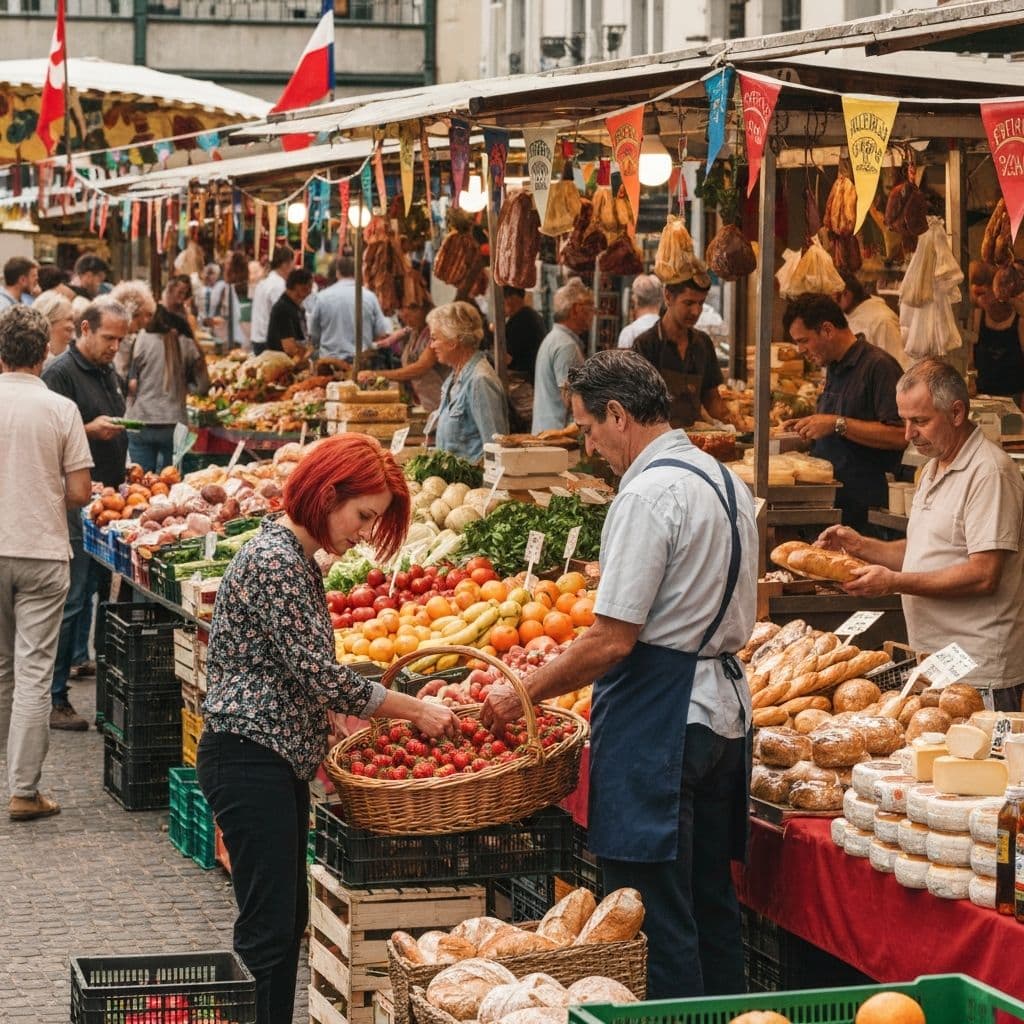
I ate one supermarket meal daily and one restaurant meal. This balanced budget with experience. Lidl and Aldi exist across Europe with nearly identical prices and quality. A typical lunch: fresh baguette (£0.60), cheese (£1.50), salami (£2), tomatoes (£0.80), and chocolate (£0.70) totals under £6.
Visit supermarkets around 8-9 PM for discounted ready meals and bakery items. I regularly found fresh pasta, sandwiches, and salads for 50% off in Italy, France, and the UK.
Lunch Specials Over Dinner
The same restaurant meal costs 30-40% less at lunch than dinner. Order the 'menu del día' in Spain, 'plat du jour' in France, or 'Tageskarte' in Germany. These midday specials include multiple courses for £8-14.
- Eat your main meal at lunch when specials are available
- Have a light supermarket dinner to keep costs down
- Look for restaurants away from tourist squares—walk 3-4 blocks
- Skip appetizers and drinks to cut bills by 40%
- Share plates when portions are large (common in Portugal and Greece)
City Transport Hacks
Walk More Than You Think You Can
Most European city centers are compact and walkable. I walked 15-20km daily in most cities, saving £5-10 on transport while seeing more. Download offline maps, charge your phone fully, and wear comfortable shoes.
Day Passes and Multi-Day Tickets
If you must use public transport, day passes almost always beat individual tickets. Berlin's day pass (£8.50) pays for itself after 3 journeys. Budapest offers a 72-hour pass for £15 covering unlimited metro, tram, and bus.
Buy transport passes at machine kiosks or stations, not from apps, to avoid booking fees. Validate your ticket immediately to avoid fines from inspectors.
Bike Share Systems
Cities like Amsterdam, Copenhagen, Paris (Vélib), London (Santander Cycles), and Barcelona (Bicing) offer affordable bike shares. Daily passes cost £2-5 and include unlimited 30-minute rides. I cycled everywhere in Copenhagen, saving transport costs while seeing more.
Free and Cheap Attractions
Museum Free Days
Most major European museums offer free entry once or twice monthly. Paris museums are free the first Sunday of each month. Berlin's state museums are free for under 18s. London's major museums (British Museum, National Gallery, Tate Modern, V&A) are always free.
Free Walking Tours
Every major European city has free walking tours (tip-based). They're excellent for orientation and local history. I always took one on my first day in a new city, then explored independently afterward. Budget £5-10 for the guide tip.
Parks, Markets, and Neighborhoods
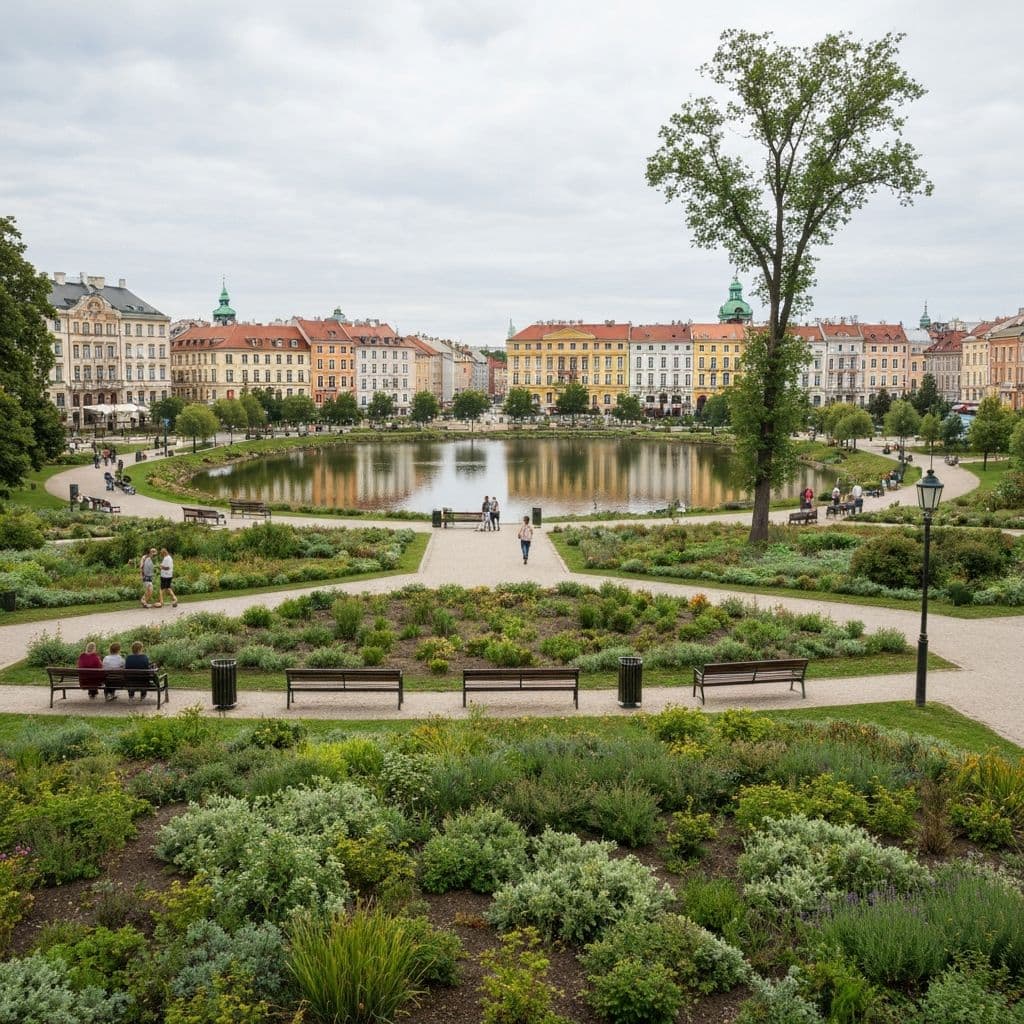
Some of Europe's best experiences are free. Walk through Paris parks, explore Barcelona's Gothic Quarter, wander Berlin's street art scenes, or watch sunset at Prague's Letná Park. These moments cost nothing but create lasting memories.
Regional Strategies
Eastern Europe First
Start your trip in Poland, Czech Republic, Hungary, Romania, or Bulgaria. Your money stretches 2-3x further, and you'll adjust to budget travel before hitting expensive Western cities. I spent my first six weeks in Eastern Europe, building confidence and saving money.
Southern Europe in Shoulder Season
Visit Spain, Portugal, Italy, and Greece in May or October. You'll find 30-50% lower accommodation costs, smaller crowds, and still-pleasant weather. I explored Sicily in October with daily highs around 24°C and beach towns nearly empty.
UK and Scandinavia Require Extra Planning
These are Europe's priciest regions. For the UK, book accommodations far in advance and use Trainline for advance rail tickets (up to 60% off flexible fares). For Scandinavia, shop at supermarkets aggressively and use cabin-style accommodation or camping to control costs.
Money Management
- Get a travel credit card with no foreign transaction fees (Halifax Clarity in UK, Wise card for Europeans)
- Withdraw cash once weekly in large amounts to minimize ATM fees
- Always pay in local currency, never let merchants convert to GBP/your home currency
- Keep a small emergency cash stash separate from your main wallet
- Use Revolut or Wise for favorable exchange rates compared to traditional banks
Realistic Daily Budget Breakdown
Here's what £35-45 daily covers in different regions, including everything:
- Eastern Europe (Poland, Hungary, Czech): £25-35 daily (£12 hostel, £8 food, £5 transport/attractions)
- Southern Europe (Spain, Portugal, Greece): £35-45 daily (£18 hostel, £12 food, £8 transport/attractions)
- Western Europe (France, Germany, Netherlands): £45-60 daily (£25 accommodation, £18 food, £10 transport/attractions)
- UK and Scandinavia: £55-75 daily (£30 accommodation, £20 food, £10 transport)
Final Budget Travel Principles
Budget travel isn't about deprivation—it's about intentional spending. I saved on accommodation and transport so I could afford nice meals, quality wine, and memorable experiences. Some things are worth paying for. Others aren't.
The cheapest trip isn't always the best trip. Find your balance between frugality and enjoyment. Mine was cooking breakfast, eating lunch out, and having simple dinners. Yours might be different, and that's fine.
Build a rail and bus mix that keeps costs low
Trains are fast and comfortable but not always the best deal. Buses are slower yet often half the price. Mixing the two lets you spend on the routes that feel worth it and save on the rest.
- Use trains for scenic daylight routes and long city-to-city jumps
- Take overnight buses for low cost and a free night of accommodation
- Book advance rail tickets 6-10 weeks out for the lowest tiers
- Check alternative stations outside city centers for cheaper fares
Daily habits that keep you on budget
- Start the day with a grocery store breakfast and a coffee to go
- Walk between nearby neighborhoods instead of taking short rides
- Split one paid attraction with a free park or museum day
- Choose one paid meal and make the others simple
- Refill a water bottle and skip tourist snack stops
FAQs
How much money do I need for 2 weeks in Europe?
Budget £600-900 for Eastern Europe, £800-1,200 for Southern Europe, and £1,000-1,500 for Western Europe/UK. This includes accommodation, food, transport, and basic attractions for 14 days.
Is Ryanair really that bad?
Ryanair is fine if you follow their rules precisely. Print or screenshot your boarding pass, adhere to bag size limits, and don't expect comfort. The low prices are legitimate if you avoid add-on fees.
Are European hostels safe?
Top-rated hostels (8.5+ on HostelWorld) are generally very safe. Use lockers for valuables, keep your phone/wallet with you at night, and trust your instincts. I've stayed in 40+ hostels without incident.
What's the cheapest way to travel between European countries?
Budget airlines for longer distances (over 500km), FlixBus for medium distances (200-500km), and regional trains for shorter trips. Book buses and flights 2-3 months ahead for best prices.
Should I buy a Eurail pass?
Only if you're taking 5+ long-distance train journeys in a short period. For most budget travelers, individual bus and flight tickets cost less. Eurail passes make sense for extensive train travel across multiple countries.
Do I need travel insurance for a budget Europe trip?
It is smart to have basic coverage, even on a tight budget. Look for a simple plan that covers medical emergencies and trip delays, and make sure it is valid for every country on your route.
Explore more playbooks
More travel guides
Carry-On Only Packing List to Avoid Bag Fees (US/UK)
A carry-on only system that avoids baggage fees, keeps you mobile, and makes US/UK trips faster to manage.
Open-Jaw Flights Explained (Save Money on Multi-City Trips)
Open-jaw flights cut backtracking and can save serious money on multi-city routes when you plan them well.
Google Flights vs Skyscanner: Which Finds Better Deals?
A practical comparison of Google Flights and Skyscanner for price alerts, flexible dates, and deal discovery.