
Visa Guides
Visa Tips for First-Time International Travelers
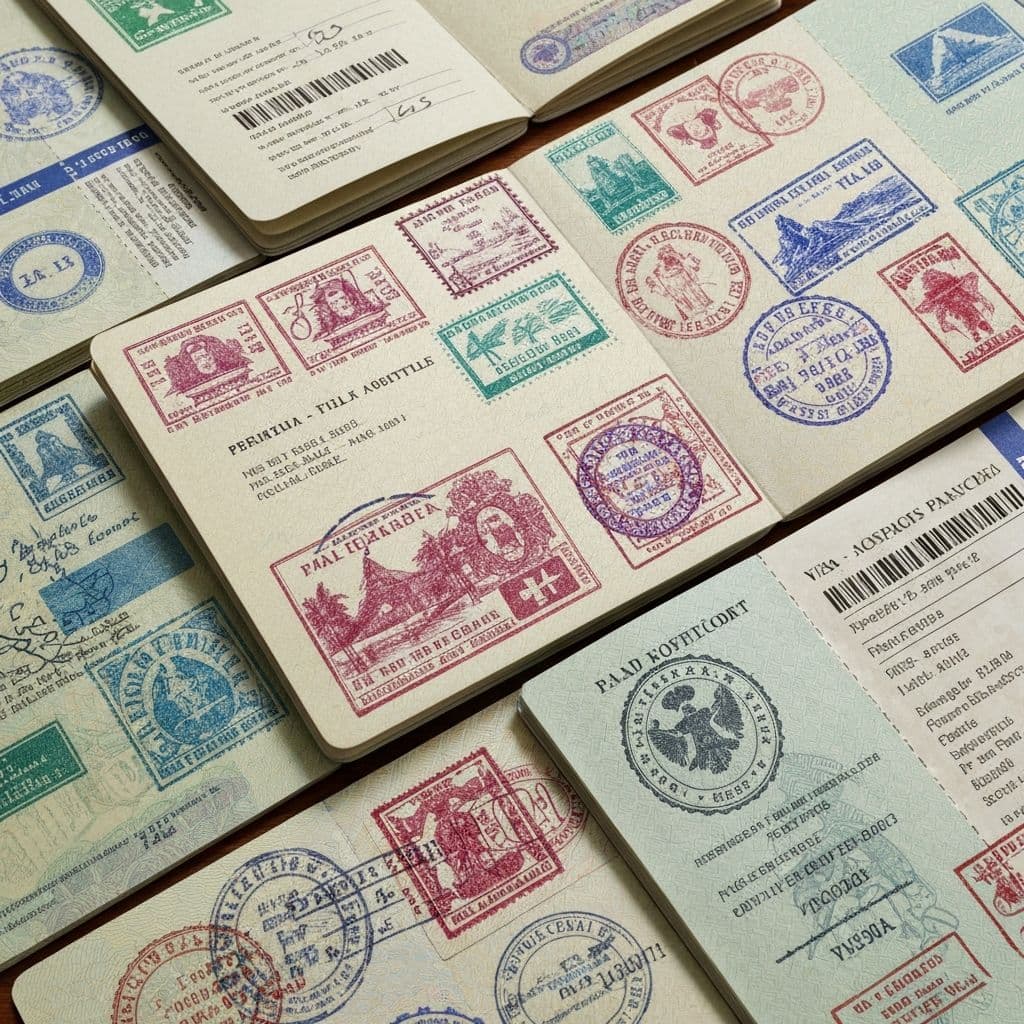
Visa Tips for First-Time International Travelers explains the core steps, timelines, and documents you need before you book flights. Use this guide to avoid delays and build a clean, organized application.
Understanding Visa Basics
A visa is simply permission to enter a country. Think of it as a pre-screened invitation that tells border officers you've been checked and approved for entry. Not all countries require visas from all travelers—it depends on your passport and destination.
I've processed thousands of visa applications and can tell you the process is less scary than it seems. Most rejections happen because of incomplete applications or missing documents, not because authorities dislike travelers. Follow the process correctly and your chances of approval are excellent.
Do You Even Need a Visa?
Visa-Free and Visa-on-Arrival Entry
Check if your destination offers visa-free entry or visa-on-arrival for your nationality. US, UK, Canadian, Australian, and most EU passport holders can enter 150+ countries without pre-arranged visas. Popular destinations like Japan, South Korea, Thailand, UAE, Mexico, and most of South America allow extended visa-free stays.
Visit your government's travel advisory website (US State Department, UK Foreign Office, etc.) or use VisaHQ.com or iVisa to check requirements for your specific passport. This takes 2 minutes and saves unnecessary visa applications.
Electronic Visas (E-Visas)
Many countries now offer e-visas you apply for online. These are simpler than embassy applications—you fill a form, upload documents, pay online, and receive approval via email. India, Turkey, Kenya, Sri Lanka, and Australia use e-visa systems.
E-visas typically process within 2-7 days. Apply at least two weeks before travel to account for processing time and potential issues. Print your approval email—some immigration officers want physical copies.
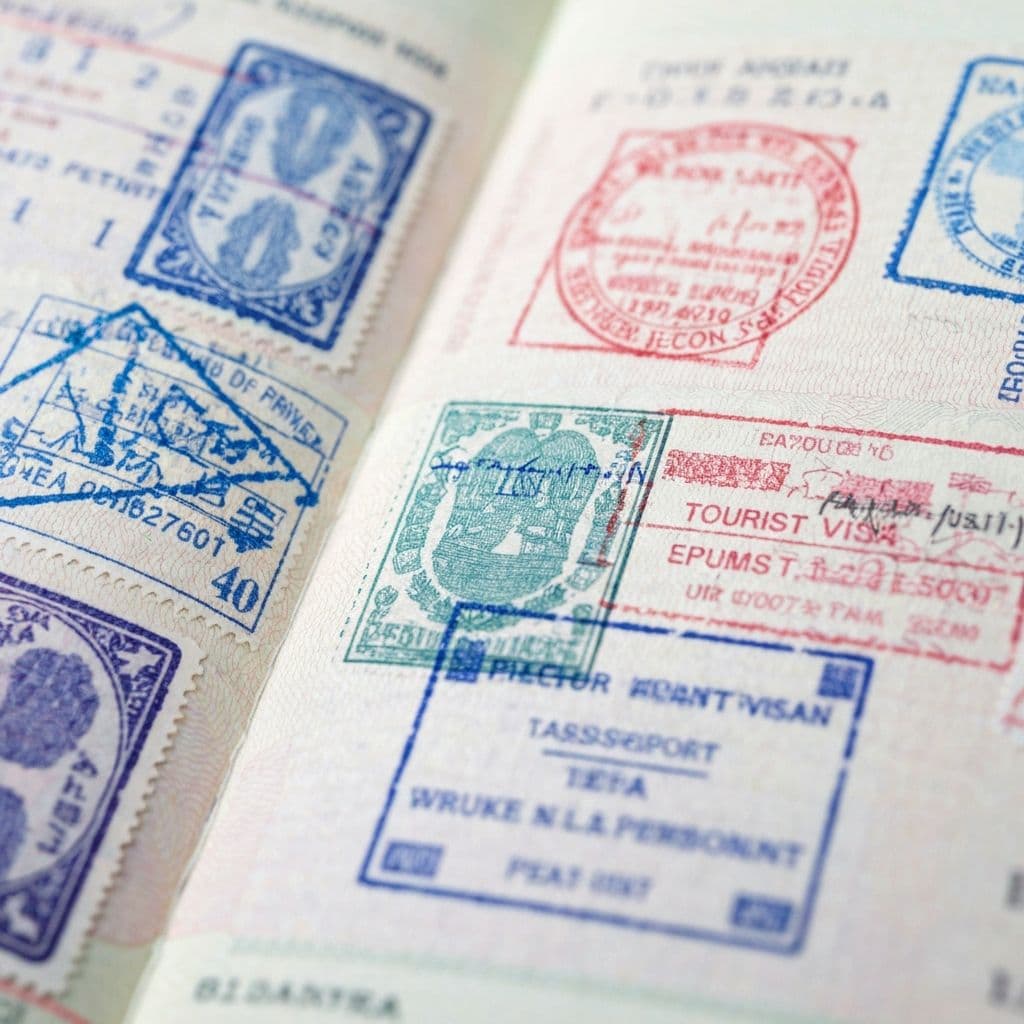
Common Visa Types
Tourist/Visitor Visas
These cover leisure travel, visiting friends/family, and sightseeing. They typically allow stays of 30-90 days and prohibit working. This is what most first-time travelers need.
Transit Visas
Required when passing through some countries even without leaving the airport. China, Russia, and a few others require transit visas for some nationalities. Check if your layover country requires one—many don't if you stay airside.
Business Visas
For attending conferences, meetings, or trade shows. Don't use tourist visas for business travel—it can cause problems. Business visas require invitation letters from host companies or event organizers.
The Visa Application Process
Step 1: Gather Required Documents
Most tourist visas require similar documentation. Get these ready before starting applications:
- Passport valid for 6+ months beyond your trip with at least 2 blank pages
- Recent passport-sized photos (usually 2, specific size requirements vary)
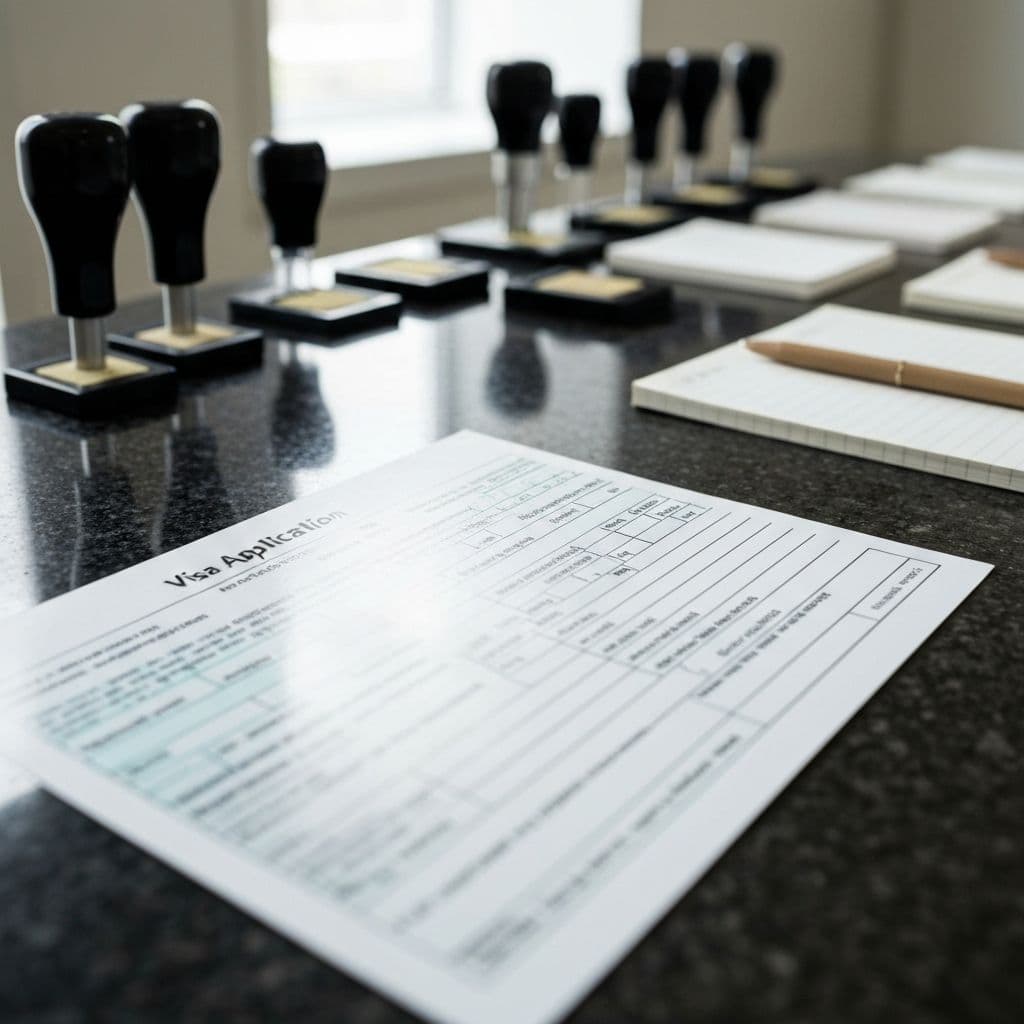
- Completed application form (download from embassy website or apply online)
- Proof of onward/return travel (flight bookings)
- Proof of accommodation (hotel confirmations or invitation letter from host)
- Bank statements showing sufficient funds (typically 3 months)
- Travel insurance covering your trip dates (increasingly common requirement)
- Employment letter or proof of ties to home country
Step 2: Book Appointment (If Required)
Some countries require in-person embassy/consulate appointments. Book these early—popular destinations fill up weeks in advance. Arrive 10-15 minutes early with all documents organized in a folder.
Step 3: Complete Forms Carefully
Fill out forms completely and accurately. Don't leave blank spaces—write 'N/A' if something doesn't apply. Inconsistencies between forms and supporting documents trigger rejections. Double-check dates, passport numbers, and spellings.
Be honest about everything. Lying about employment, previous visas, or criminal history leads to automatic rejection and can affect future applications worldwide.
Step 4: Pay Fees
Visa fees vary from free to £150+ depending on country and processing speed. Fees are usually non-refundable even if rejected. Keep receipts—you'll need them to track applications or pick up passports.
Proving Financial Stability
Countries want assurance you can afford your trip without working illegally. Bank statements from the last 3 months are standard proof. Don't suddenly deposit large amounts right before applying—it looks suspicious.
As a general rule, show £50-100 per day of your planned stay. For a 2-week trip, have £700-1,400 in your account. More is better. Consistent income is more important than one large sum.
If someone else is funding your trip, include a sponsorship letter stating they'll cover expenses, plus their bank statements and identification.
Demonstrating Ties to Home Country
Countries fear visitors who disappear and work illegally. Prove you'll return home by showing strong ties: steady employment, property ownership, family responsibilities, ongoing education, or return flight tickets.
An employment letter on company letterhead stating your position, salary, and approved leave dates is powerful evidence. Students should include enrollment confirmation and vacation schedules.
Common Mistakes That Cause Rejections
- Incomplete applications or missing documents—check everything twice
- Passport expiring within 6 months of travel—renew early
- Insufficient funds shown in bank statements
- No proof of accommodation or clear itinerary
- Inconsistent information between application and supporting docs
- Applying too early (some countries only accept applications 90 days before travel)
- Photos not meeting exact specifications (size, background, recent date)
- Not demonstrating intention to return home
Processing Times and When to Apply
Standard processing takes 5-15 business days for most countries. Some offer expedited processing for higher fees (24-72 hours). Apply at least 3-4 weeks before travel, but not too early—many countries only accept applications 90-180 days before your trip.
Peak travel seasons (summer, holidays) slow processing. Apply earlier during these periods. Track your application using reference numbers provided. Don't book non-refundable travel until your visa is approved.
Special Considerations
Previous Visa Rejections
One rejection doesn't doom future applications. If rejected, find out why, address that issue, and reapply with better documentation. Some countries ask about previous rejections—answer honestly and explain what's changed.
Dual Citizenship
Use the passport that gives you the easiest entry. If one passport gets visa-free access, use that one. Some countries require you enter and exit on the same passport, so be consistent.
Traveling with Children
Children need their own passports and visas. If traveling without both parents, carry notarized consent letters from the non-traveling parent(s). Some countries are strict about this to prevent child abduction.
Country-Specific Tips
Schengen Area (Europe)
One visa covers 27 European countries. Apply through the embassy of your main destination (longest stay). If staying equal time in multiple countries, apply through your first entry point. Processing takes 15-30 days typically.
USA
The B1/B2 visitor visa requires an embassy interview. Be prepared to explain your trip clearly and concisely. Demonstrate strong home ties. If approved, visas are typically valid for 10 years with 6-month stays per visit.
China
Requires detailed itinerary including hotel bookings and internal flights. Processing takes 4-7 days. Use authorized visa agencies if your city lacks a Chinese consulate—they simplify the process for a fee.
India
E-visa system is straightforward. Upload a good photo and clear passport scan—technical rejections due to poor image quality are common. Processing typically takes 3-5 days. Print your approval and carry it.
After Approval
Once approved, check your visa carefully. Verify the dates, number of entries allowed, and duration of stay. Don't overstay—it causes serious problems for future travel.
Make photocopies of your visa and passport. Keep digital copies in cloud storage. Some countries require you carry your passport at all times, while others only need it at hotels and airports. Research local requirements.
Resources for Visa Information
- Official embassy and consulate websites (most reliable source)
- iVisa.com (user-friendly requirement checking and application assistance)
- VisaHQ.com (comprehensive visa info and agency services)
- Your government's travel advisory site (UK.gov, Travel.State.gov, etc.)
- IATA Travel Centre (airline industry resource for entry requirements)
Always verify information on official government websites. Requirements change, and unofficial sources can be outdated. When in doubt, contact the embassy directly.
A simple first-timer timeline
- 6-8 weeks out: confirm visa requirements and appointment availability
- 5-6 weeks out: gather documents and take compliant photos
- 4 weeks out: submit the application and pay fees
- 2-3 weeks out: respond to any follow-up requests
- 1-2 weeks out: confirm approval and recheck entry rules
Document checklist that covers most tourist visas
- Passport valid for at least 6 months after your return date
- Recent photo that matches exact size requirements
- Proof of accommodation or a basic itinerary
- Bank statements showing steady income and realistic balances
- Employment letter or school enrollment proof
- Return ticket or plan showing a clear exit date
FAQs
How long before my trip should I apply for a visa?
Apply 3-4 weeks before travel for standard processing, or 6-8 weeks during peak seasons. Most countries don't accept applications more than 90-180 days before travel, so don't apply too early.
Can I travel if my visa application is pending?
No. You need visa approval before traveling. Don't book non-refundable flights or hotels until your visa is approved. Consider travel insurance that covers visa rejection.
What if I make a mistake on the application form?
Small errors can delay approval or cause a rejection. If you notice a mistake, correct it right away or contact the consulate for guidance before submitting.
What if I'm rejected?
Find out the reason (usually provided), address that issue, and reapply with better documentation. One rejection doesn't permanently bar you. Wait a reasonable time (30-60 days) before reapplying.
Do I need visas for layovers?
Usually not if you stay airside (don't pass through immigration). Some countries like China, Russia, and the US require transit visas for certain nationalities even for airside connections. Check specific requirements.
Are visa services worth the cost?
For complex applications, difficult countries, or if you lack time, yes. They know the process, minimize errors, and handle logistics. For straightforward applications, DIY saves money and isn't difficult.
Explore more playbooks
More travel guides

Carry-On Only Packing List to Avoid Bag Fees (US/UK)
A carry-on only system that avoids baggage fees, keeps you mobile, and makes US/UK trips faster to manage.

Open-Jaw Flights Explained (Save Money on Multi-City Trips)
Open-jaw flights cut backtracking and can save serious money on multi-city routes when you plan them well.
Google Flights vs Skyscanner: Which Finds Better Deals?
A practical comparison of Google Flights and Skyscanner for price alerts, flexible dates, and deal discovery.